
Solo Travel to the Antarctic | Small Ship Expeditions

Travel solo. But not alone.
Join a small expedition community of just 36 guests exploring Antarctica, South Georgia, and the Falkland Islands. Our intimate Antarctic Expedition Micro Cruises create natural connections among travellers who share your fascination with emperor penguins, massive icebergs, and landscapes so remote they feel like another planet, without the isolation that can plague solo travellers on massive cruise ships carrying hundreds.
Why travel solo to Antarctica
Small groups create natural community
Solo expedition travel to Antarctica doesn't mean experiencing the world's most remote continent alone. With just 36 guests aboard—a fraction of the 100-200+ on typical Antarctic vessels—you'll recognize familiar faces within the first day. There's no awkward searching among hundreds of passengers or competing for conversation time with expedition guides managing crowds.
The intimacy of small ship Antarctic cruises for solo travellers means you're never the odd one out. Mealtimes become genuine conversations about the humpback whale that surfaced beside the Zodiac. Daily briefings turn into collaborative discussions about whether to prioritize the king penguin colony or the glacier landing. Evening recaps spark debates about leopard seal behavior that continue long into Antarctic twilight.


Shared experiences build connections
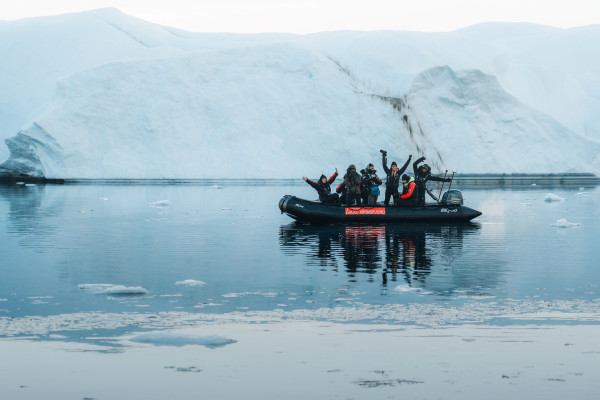
Antarctic exploration happens in Zodiacs navigating among ice floes and landing on remote beaches where penguins outnumber humans by thousands. When you're climbing into boats with the same small group day after day, friendships form organically through shared wonder.
There's something about watching your first iceberg calve, encountering a leopard seal hunting penguins, or standing among half a million king penguins that demands to be shared. Solo travel Antarctic expeditions put you alongside people who understand why you've travelled to the end of the Earth. You don't need to justify your fascination with whale behavior or explain why you've prioritized Antarctica over conventional holidays—everyone aboard gets it.
Fellow travellers who share your Antarctic passion
Finding friends willing to cross the Drake Passage proves challenging in daily life. Most people prefer predictable destinations to the world's most remote continent. On our expeditions, you're surrounded by individuals who've also committed to this extraordinary journey.
This natural community eliminates the biggest challenge of solo expedition cruise travel: feeling isolated among people who don't share your interests. Everyone aboard chose Antarctica specifically, invested in proper cold-weather gear, and accepted the Drake Passage crossing as worthwhile for what lies beyond.


South Georgia In Depth Expedition Micro Cruise
54°16’S, 36°30’W
15 days devoted entirely to South Georgia. Seven days ashore, early season, before the crowds arrive. Stand among king penguins in their thousands, elephant seals battling, and wandering albatrosses souring above. This is when the island at its most raw. 36 guests aboard Aureum.
- 36 guests
- 15 days

White Kings: South Georgia Special Photo Expedition with Paul Goldstein
54°16’S, 36°30’W
An excitingly ambitious early September foray to South Georgia, with Paul Goldstein. Thirty-six guests. Six senior polar guides maximising every hour of this early season wilderness bonanza.
- 36 guests
- 15 days

South Georgia and Antarctica Shackleton Special Expedition Micro Cruise
54°16’S, 36°30’W
19 days. South Georgia, Elephant Island, and Antarctica in a single voyage. The three places that define the Endurance expedition, followed in sequence. 36 guests aboard Aureum. Spring breathes new life as South Georgia’s vast king penguin colonies teem with activity. Fur seal pups begin to appear, while wandering albatross soar effortlessly overhead.
- 36 guests
- 19 days

Antarctic Peninsula Expedition Micro Cruise by Air & Sea
54°16’S, 36°30’W
Sail the Drake Passage south from Ushuaia, then fly out of Antarctica direct to Patagonia. Four full days on the Peninsula, 36 guests, six senior polar guides, and a farewell night beneath Torres del Paine. The crossing is the point. The flight is the exit.
- 36 guests
- 9 days

Antarctic Circle Expedition Micro Cruise by Air
54°16’S, 36°30’W
Charter flight from Patagonia. Seven full days in Antarctica. A push for the Antarctic Circle at 66°33'S on every departure. Explore pristine ice, wildlife-rich bays, and iconic sites without crowds, and free from rigid schedules with only 36 guests, the first ship of this size in Antarctica.
- 36 guests
- 11 days

Antarctic Circle Christmas Expedition Micro Cruise by Air
54°16’S, 36°30’W
Christmas Day on the Antarctic Peninsula, in perpetual summer light. A charter flight from Puerto Natales, seven full days on the ice, and a push for the Antarctic Circle at 66°33'S.
- 36 guests
- 11 days

Antarctic Circle New Year Expedition Micro Cruise by Air
54°16’S, 36°30’W
Welcome the New Year in Antarctica on a 36-guest Fly & Cruise expedition. New Year's Eve on the Antarctic Peninsula, in light that does not fade. Charter flight from Puerto Natales, seven full days on the ice, a push for the Antarctic Circle at 66°33'S.
- 36 guests
- 11 days

Falklands, South Georgia and Antarctica Micro Cruise
Combine Falklands, South Georgia and Antarctica on a 78-guest cruise expedition in Spring. Follow in Shackleton’s footsteps, witness penguin chicks and whales, and enjoy uncrowded, pristine landscapes.
- 78 guests
- 21 days
Small ships make the difference

Thirty-six guests means genuine connections
With just 36 guests aboard—compared to 100-200+ on typical Antarctic vessels—meaningful connections form naturally:
Recognizable community by day two – you'll know most fellow travellers by name
Guides remember your interests – they'll point out the leopard seal you mentioned wanting to photograph
Intimate expedition briefings – everyone participates in discussions, not auditorium-style lectures
Flexible group activities – small enough to adapt plans based on guest interests
This scale transforms solo travel from potentially lonely to genuinely communal. You're not lost in crowds—you're part of a small expedition community where everyone contributes observations and collaborates on decisions.
Activities naturally mix the group
Antarctic cruises for solo travellers work best when activities organically shuffle people into different combinations:
Zodiac groups rotate – you'll explore with different people throughout the expedition
Penguin colony visits organize by pace – photographers who want to sit quietly versus those preferring to explore further
Kayak groups mix skill levels – experienced paddlers mentor beginners
Camping volunteers – those brave enough to sleep on the Antarctic continent bond over shared adventure
Even passive activities mix the group. Some gravitate to the bow watching for whales while others prefer the observation lounge. Lecture topics attract different people based on interests—cetacean biology versus glaciology versus Shackleton's expeditions.

Close interaction with guides and crew
On our 36-guest expeditions, guides become genuine companions who remember your name, share personal Antarctic stories during Zodiac cruises, and recall that you're particularly interested in ice formation patterns or seabird identification.

Cabin options for solo travellers
Solo occupancy available on all departures
Every Secret Atlas Antarctic departure carries dedicated single cabins built for one, not repurposed twins with a punitive supplement. Our Antarctic vessel, Aureum, carries eight single cabins across two decks, 36% of total capacity, one of the highest proportions of dedicated solo accommodation in Antarctic expedition travel.
These are not cramped afterthought spaces. They are designed and priced for one guest, with an ensuite bathroom, desk, storage for camera gear and layers, and either a porthole (Classic Single, Main Deck) or a window (Signature Single, Upper Deck). The same calm space as any other cabin on the ship, with the whole space to yourself.

Options when solo cabins fill
Twin share arrangements:
Pair with solo travellers of the same gender
Introductions facilitated before the expedition
Reduced cost makes crossing the Drake Passage more affordable
Cabins provide enough space that you're not constantly in each other's way
Booking strategy for Antarctica:
Book 12-18 months ahead for peak season (November-February)
Solo cabins operate strictly on first-come availability
South Georgia departures fill fastest among solo travellers
Shoulder season (November, March) sometimes has better solo cabin availability
Solo cabins on Antarctic expeditions book particularly quickly given the destination's appeal and limited sailing season. Early booking ensures you secure single occupancy rather than facing twin share or sold-out departures.
Solo female travellers in Antarctica
Safety in the most remote environment
Antarctica's international governance and strict protocols create exceptionally safe environments. With no permanent residents and limited human presence, the continent operates under scientific and expedition standards emphasising safety and mutual support.
Our commitment to female travellers:
Balanced expedition teams – male and female guides, naturalists, and crew across all roles
Female-led expeditions – several fully female-staffed Antarctic departures each season
Experienced female polar guides – many of our most accomplished Antarctic experts are women
Gender composition transparency – our sales team shares team makeup for any departure
Welcoming all ages:
Antarctic expeditions attract travellers from 30s through 80s
Activities adapt to actual participant abilities, from gentle penguin colony walks to challenging glacier hikes
Senior solo travellers report feeling welcomed and capable
Drake Passage crossings managed comfortably regardless of age with proper medication if needed
The Antarctic environment itself creates equality—everyone faces the same cold, the same Drake Passage, the same wonder at landscapes defying description. Gender and age matter far less than shared commitment to experiencing this extraordinary continent.

Community on board: what to expect
Daily life aboard creates natural bonding through shared Antarctic experiences:
Shared meals:
Flexible seating allows you to dine with different people throughout the expedition
Drake Passage crossings build camaraderie (shared suffering creates strong bonds)
Celebrating milestones together: first iceberg, crossing the Antarctic Circle, successful camping night
Dietary restrictions accommodated even in remote Antarctic waters
Daily briefings and recaps:
Morning briefings outline landing options based on ice and weather conditions
Collaborative discussions when conditions offer choices between sites
Evening recaps identify whale species, count penguin chicks, and share photographic highlights
Guests contribute observations about seal behavior or ice formations witnessed
Activities and learning:
Two to three Zodiac operations or shore landings daily (weather permitting)
Lectures covering Antarctic wildlife, glaciology, climate science, and exploration history
Optional activities: kayaking, camping, polar plunge
Open bridge access during Drake Passage crossings to understand navigation decisions


South Georgia In Depth Expedition Micro Cruise
54°16’S, 36°30’W
15 days devoted entirely to South Georgia. Seven days ashore, early season, before the crowds arrive. Stand among king penguins in their thousands, elephant seals battling, and wandering albatrosses souring above. This is when the island at its most raw. 36 guests aboard Aureum.
- 36 guests
- 15 days
White Kings: South Georgia Special Photo Expedition with Paul Goldstein
54°16’S, 36°30’W
An excitingly ambitious early September foray to South Georgia, with Paul Goldstein. Thirty-six guests. Six senior polar guides maximising every hour of this early season wilderness bonanza.
- 36 guests
- 15 days
South Georgia and Antarctica Shackleton Special Expedition Micro Cruise
54°16’S, 36°30’W
19 days. South Georgia, Elephant Island, and Antarctica in a single voyage. The three places that define the Endurance expedition, followed in sequence. 36 guests aboard Aureum. Spring breathes new life as South Georgia’s vast king penguin colonies teem with activity. Fur seal pups begin to appear, while wandering albatross soar effortlessly overhead.
- 36 guests
- 19 days
Antarctic Peninsula Expedition Micro Cruise by Air & Sea
54°16’S, 36°30’W
Sail the Drake Passage south from Ushuaia, then fly out of Antarctica direct to Patagonia. Four full days on the Peninsula, 36 guests, six senior polar guides, and a farewell night beneath Torres del Paine. The crossing is the point. The flight is the exit.
- 36 guests
- 9 days
Antarctic Circle Expedition Micro Cruise by Air
54°16’S, 36°30’W
Charter flight from Patagonia. Seven full days in Antarctica. A push for the Antarctic Circle at 66°33'S on every departure. Explore pristine ice, wildlife-rich bays, and iconic sites without crowds, and free from rigid schedules with only 36 guests, the first ship of this size in Antarctica.
- 36 guests
- 11 days
Antarctic Circle Christmas Expedition Micro Cruise by Air
54°16’S, 36°30’W
Christmas Day on the Antarctic Peninsula, in perpetual summer light. A charter flight from Puerto Natales, seven full days on the ice, and a push for the Antarctic Circle at 66°33'S.
- 36 guests
- 11 days
Antarctic Circle New Year Expedition Micro Cruise by Air
54°16’S, 36°30’W
Welcome the New Year in Antarctica on a 36-guest Fly & Cruise expedition. New Year's Eve on the Antarctic Peninsula, in light that does not fade. Charter flight from Puerto Natales, seven full days on the ice, a push for the Antarctic Circle at 66°33'S.
- 36 guests
- 11 days
Falklands, South Georgia and Antarctica Micro Cruise
Combine Falklands, South Georgia and Antarctica on a 78-guest cruise expedition in Spring. Follow in Shackleton’s footsteps, witness penguin chicks and whales, and enjoy uncrowded, pristine landscapes.
- 78 guests
- 21 days
Best Antarctic destinations for solo travel
Antarctic Peninsula: Whales and icebergs
Why solo travellers love the Peninsula:
Humpback whale encounters – bubble-net feeding and breaching in productive channels
Massive penguin colonies – gentoo, chinstrap, and Adélie penguins by the thousands
Dramatic icebergs – sculptural formations in Lemaire Channel and Paradise Harbor
Historic sites – Port Lockroy, Deception Island, and preserved expedition huts
Accessible landing sites – protected bays allowing frequent Zodiac operations
The Antarctic Peninsula offers the continent's most reliable weather and ice conditions, maximizing landing opportunities. For solo travellers on their first Antarctic expedition, the Peninsula provides extraordinary wildlife concentrations and dramatic scenery with highest success rates for daily activities


South Georgia: King penguins and exploration history
What makes South Georgia essential:
King penguin colonies – hundreds of thousands of birds at Salisbury Plain and St. Andrews Bay
Shackleton's grave – visit Grytviken cemetery where the great explorer rests
Elephant seal harems – massive bulls battling for dominance on beaches
Wandering albatross – the largest flying birds breeding at accessible sites
Historic whaling stations – Grytviken, Stromness, and Husvik tell industrial history
South Georgia particularly appeals to solo travellers interested in exploration history. Walking even portions of Shackleton's crossing route creates profound connections to Antarctic heroic age while surrounded by wildlife concentrations unmatched anywhere on Earth.
Falkland Islands: Rockhopper penguins and culture
Falklands add diversity:
Rockhopper and macaroni penguins – species not found on the Antarctic continent
Black-browed albatross colonies – dramatic cliff-nesting seabirds
Stanley culture – British outpost with pubs, museums, and distinctive character
Gentler terrain – accessible walks across tussock grass perfect for all fitness levels
The Falklands provide cultural context before or after Antarctic wilderness, with Stanley's hospitality offering conversations with locals about island life, wildlife, and the 1982 conflict.

FAQs
Do I need to be physically fit for Antarctic solo expedition travel?
Moderate fitness suffices for most Antarctic activities. Zodiac boarding requires stepping from stable platforms into boats, sometimes in swell. Shore landings involve walking on ice, snow, or rocky beaches. If you can walk a mile on uneven terrain and manage small boat boarding, you'll handle Antarctic landings fine. Guides always offer varied difficulty options.
How rough is the Drake Passage for solo travellers?
The Drake Passage crosses 600 miles of open Southern Ocean and can range from calm to quite rough. Modern stabilizers help significantly. Most people manage fine with seasickness medication. The passage actually bonds solo travellers—shared Drake experiences create instant camaraderie. Crossing to Antarctica becomes part of the adventure, not just transit.
What's the age range of solo Antarctic travellers?
Solo guests typically range from 30s through 80s, with the majority between 50-70. Antarctica attracts adventurous spirits across ages. The small ship scale means age differences matter less than shared wonder at penguin colonies and calving glaciers.
Can I meet other guests before the expedition?
We facilitate optional introductions approximately 6-8 weeks before departure through email and a private Facebook group. Many solo Antarctic travellers appreciate connecting beforehand, sharing gear tips and building excitement together. It's entirely optional if you prefer meeting everyone upon embarkation in Ushuaia.
Are Arctic expeditions safe for solo travellers?
Arctic expeditions maintain rigorous safety protocols with professional crews trained in polar environments. All shore landings in polar bear territory include armed guards. Solo travellers face identical safety standards as paired guests—very high standards.
What if I want alone time during the expedition?
Your cabin provides private retreat space essential during intense Antarctic experiences. The ship includes quiet areas for processing what you've witnessed, editing photos, or simply watching icebergs drift past. Nobody pressures constant socializing. Many solo travellers appreciate balancing group activities with contemplative solitude in Earth's most remote environment.
Ready to explore Antarctica solo?
Expedition Micro Cruises for solo travellers to Antarctica offers genuine adventure paired with natural community among people who understand why you've prioritized the seventh continent. You'll return with extraordinary photographs, expanded understanding of our planet's climate systems, and friendships forged through shared experiences at the bottom of the world.
Our Antarctic expeditions welcome solo travellers on every departure, with dedicated single cabins and intimate 36-guest scale ensuring you're part of the expedition community from day one.
View Antarctic Peninsula Expeditions | Explore South Georgia & Antarctica



Phone
USA
USA+CAN Toll Free
AUS Toll Free
