
Antarctica Seasons – When to Visit: Spring, Summer, or Autumn?

Antarctica is one of the planet’s last great wildernesses — a land of ice-choked bays, snow-dusted peaks, and wildlife in staggering numbers. With no cities or permanent settlements, the continent is ruled entirely by nature.
The region is only accessible from November through March, and within that short window the experience changes dramatically. November reveals pristine snow and penguin courtship; December and January bring near-constant daylight and bustling rookeries; by March, golden sunsets return and whales gather in their greatest numbers.
Choosing the right season means aligning your passions — whether photographing luminous ice, watching penguin chicks hatch, or experiencing peak whale encounters. This guide compares spring, summer, and autumn across ice, weather, and wildlife, so you can decide which time of year best fits your Antarctic adventure.

Spring spectacle – Antarctica in November and early December
Antarctica in November and December is when the white continent emerges from winter, bursting into life under crisp air and low, golden sunlight. This is also the penguin breeding season in Antarctica, a chance to see colonies at their most animated.
On the shores, gentoo, chinstrap, and Adélie penguins court, build nests, and squabble noisily over pebbles. Seals sprawl on drifting ice floes — Weddell and crabeater seals establishing territories in dramatic encounters.
Offshore, the first whales of the season — humpbacks, minkes, orcas, and sei — patrol the edges of the pack ice to feed on emerging krill blooms, offering rare early-season sightings.
The landscapes of Antarctica in November remain freshly frozen, sculpted by winter and flecked with shimmering blue ice. Antarctica's ice conditions remain dramatic, and the weather is cooler, but it’s one of the best times for photographers: snow-dusted peaks, turquoise waters, and untouched icebergs.

Antarctica's spring is the best time for:
Experiencing Antarctica at its most pristine, before the summer melt
Observe penguin courtship rituals as spring brings Antarctica’s colonies to life
Spotting the first whales of the season—as they breach and blow across the ocean
Capturing dramatic contrasts of snow, ice, and low-angle spring light
The season you choose changes everything.
Early season, mid-season, late season — penguins, whales, and ice behave completely differently. Twenty minutes with a specialist and you'll know your window.
Summer in full swing – Antarctica in December, January and February
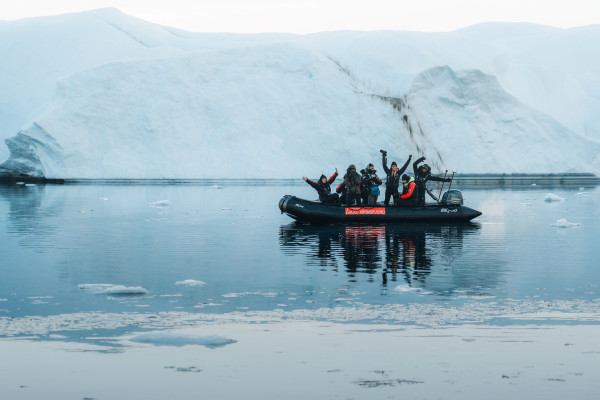
By mid-December, Antarctica shifts into the height of summer. Sea ice retreats, opening more channels and landing sites — even allowing voyages to push farther south on Antarctic Circle cruises. Zodiac explorations bring you close to sculpted bergs, towering glaciers, and glittering bays alive with wildlife.
Throughout Antarctica in January and February, penguin rookeries are at their busiest, with newly hatched gentoo, chinstrap, and Adélie chicks taking their first unsteady steps and clamouring for food from attentive parents. On the beaches, crabeater and Weddell seals haul out to rest, while leopard seals patrol the fringes of penguin colonies in search of prey. In the northern South Shetlands, Antarctic fur seals may also be spotted, though their large breeding colonies are mainly in South Georgia.
Offshore, whale encounters peak—humpbacks, minkes, orcas, and sei gather in growing numbers, drawn by the season’s swelling krill, offering incomparable whale watching in Antarctica.
This is also the warmest period in Antarctica, with average highs around 0–5°C (32–41°F). Around the solstice, daylight stretches almost 24 hours, bathing the ice in soft blue and golden light. It’s the peak Antarctica photography season, with luminous skies, mirror-like waters, and flower-speckled tundra on sub-Antarctic islands.

Antarctica's summer is the best time for:
Experiencing the height of activity — penguin chicks hatching and colonies in full swing.
Watching playful fur seal pups and predatory leopard seals.
Encountering whales in growing numbers, especially from January onward.
Capturing Antarctica’s landscapes under endless daylight and vibrant summer skies.
Autumn glow and whale abundance – Antarctica in March
Antarctica in March shifts into a quieter, golden season. Penguin colonies transform as chicks grow bolder, gathering in crèches while their parents dive into the sea in search of food. Many young prepare for their first journeys to sea, while leopard seals in Antarctica linger at the edges, waiting for fledglings to take the plunge. Seal colonies remain lively, though thinning as the season winds down.
This is also the season for excellent whale watching in Antarctica. Humpbacks, minkes, orcas, and even sei whales gather in their greatest numbers, feasting on krill before migrating north. Antarctica wildlife in March is abundant offshore, while on land the rookeries settle into calm.
The light of autumn is extraordinary. The long days shorten, bringing Antarctica’s sunsets in March — skies painted gold, pink, and violet over sculpted icebergs and jagged peaks. Temperatures cool again, but conditions remain navigable, making this a season beloved by photographers.

Antarctica's autumn is the best time for:
Experiencing Antarctica in March in golden light and cinematic shadows.
Watching penguin chicks roam freely as they prepare to fledge
Encountering seals in abundance on shore and on pack ice.
Enjoying peak whale activity, with opportunities to witness bubble net feeding by humpbacks often seen from Zodiacs at eye level.
Which season is best for You?
Each season in Antarctica offers something extraordinary, and the best time to go depends on your passions.
Photographers: Spring and autumn deliver the most dramatic light, pristine ice, and atmospheric conditions.
Penguin lovers: Summer is the height of the penguin breeding season in Antarctica, with colonies bustling and chicks hatching.
Whale enthusiasts: Autumn is peak whale watching in Antarctica, with the highest numbers of feeding whales before migration.

FAQs About Antarctica Seasons
What months are best to visit Antarctica?
The Antarctic travel season runs from November through March. Each month offers unique conditions—Antarctica in November is pristine, Antarctica in December and January brings peak wildlife activity, and Antarctica in March is golden and whale-rich.
When is penguin breeding season in Antarctica?
Penguin breeding begins in spring (November–December) with courtship and nesting, while by January and February chicks hatch and colonies are at their busiest.
Is Antarctica colder in spring or autumn?
Both are cooler than midsummer. Antarctica weather in November and December is crisp and snowy, while Antarctica in March is milder but with shorter days and golden light.
Can you visit Antarctica in winter?
No. Antarctic cruises only run November to March. Winter brings extreme cold, darkness, and impassable sea ice. Only dedicated scientific researchers remain there.
What is Antarctica like in November?
November marks the season’s start. Antarctica in November is pristine, with untouched snow and shimmering ice. Penguins court and nest, seals haul out, and the first whales return.
What is Antarctica like in February?
February is peak wildlife season. Penguin chicks are growing fast, whales are abundant, and ice has retreated, allowing access to more landing sites. Days are long but sunsets start to return.
What is the warmest month in Antarctica?
January is typically the warmest, with highs between 0°C and 5°C (32–41°F). Wildlife is at its most active, with penguin chicks hatching and whale sightings increasing.
When do sunsets return to Antarctica?
After weeks of near 24-hour daylight, sunsets return by late February and March, bringing rich golden and pink light across the ice.
When is the best month for whale watching in Antarctica?
Whales can be seen throughout the season, but Antarctica in February and March offers the richest encounters, with humpbacks, minkes, orcas, and sei whales gathering in large numbers.
When can you cross the Antarctic Circle?
Crossing the Circle is usually possible from mid-December through February, when sea ice has retreated enough to allow ships to reach farther south.

South Georgia and Antarctica Shackleton Special Expedition Micro Cruise
54°16’S, 36°30’W
19 days. South Georgia, Elephant Island, and Antarctica in a single voyage. The three places that define the Endurance expedition, followed in sequence. 36 guests aboard Aureum. Spring breathes new life as South Georgia’s vast king penguin colonies teem with activity. Fur seal pups begin to appear, while wandering albatross soar effortlessly overhead.
- 36 guests
- 19 days

Antarctic Peninsula Expedition Micro Cruise by Air & Sea
54°16’S, 36°30’W
Sail the Drake Passage south from Ushuaia, then fly out of Antarctica direct to Patagonia. Four full days on the Peninsula, 36 guests, six senior polar guides, and a farewell night beneath Torres del Paine. The crossing is the point. The flight is the exit.
- 36 guests
- 9 days

Antarctic Circle Expedition Micro Cruise by Air
54°16’S, 36°30’W
Charter flight from Patagonia. Seven full days in Antarctica. A push for the Antarctic Circle at 66°33'S on every departure. Explore pristine ice, wildlife-rich bays, and iconic sites without crowds, and free from rigid schedules with only 36 guests, the first ship of this size in Antarctica.
- 36 guests
- 11 days

Antarctic Circle Christmas Expedition Micro Cruise by Air
54°16’S, 36°30’W
Christmas Day on the Antarctic Peninsula, in perpetual summer light. A charter flight from Puerto Natales, seven full days on the ice, and a push for the Antarctic Circle at 66°33'S.
- 36 guests
- 11 days

Antarctic Circle New Year Expedition Micro Cruise by Air
54°16’S, 36°30’W
Welcome the New Year in Antarctica on a 36-guest Fly & Cruise expedition. New Year's Eve on the Antarctic Peninsula, in light that does not fade. Charter flight from Puerto Natales, seven full days on the ice, a push for the Antarctic Circle at 66°33'S.
- 36 guests
- 11 days
You've read the seasons. Now talk to someone who's been there in all of them.
Our expedition specialists have led trips through every Antarctic season. Book a free consultation and we'll match your priorities to the right departure.
The Expedition Micro Cruise concept


Other relevant articles

Crossing the Antarctic Circle | Gateway to...
Crossing the Antarctic Circle | Gateway to Ice, Wildlife and Legend

Animals in Antarctica | What Animals Call ...
Animals in Antarctica | What Animals Call the Antarctic Home?

Penguins of Antarctica, South Georgia and ...
Penguins of Antarctica, South Georgia and the Falklands | Complete Guide

Phone
USA
USA+CAN Toll Free
AUS Toll Free
We use cookies to provide a better online experience. Please let us know if you agree to them. You can read our Privacy Policy for more information.

Join the Secret Atlas newsletter
Join the Secret Atlas newsletter
Thank you for signing up!
Welcome to Expedition Micro Cruising. Discover the difference.
We will be exclusively sharing with you our best-kept secrets. You'll receive first-hand expert advice and inspiring stories from our team of explorers, plus our latest news and offers.

Plan Your Journey
Speak to an Expedition Specialist
Every expedition starts with a conversation. Let's discuss your polar adventure dreams and find the perfect journey for you.
Book a Video Call
Speak face-to-face with an expedition specialist. Ask questions, explore ideas, and start shaping a journey built around you.
Book a Phone Call
Talk with an expedition specialist. Get clear, honest guidance to help you plan your next Expedition Micro Cruise.
Download your brochure
Just enter a few details to receive your brochure.