
Neumayer Channel | A Frozen Maze of Antarctic Cliffs

Picture navigating through a frozen labyrinth where towering ice cliffs create walls on either side whilst massive icebergs drift silently past your vessel. This is Neumayer Channel, a 26-kilometre waterway that snakes through the Palmer Archipelago in an inverted S-shape, creating one of Antarctica's most dramatic and challenging passages.
The channel's maze-like character comes from its sharp bends at both entrance and exit points, where captains must carefully navigate between Anvers Island and the twin islands of Wiencke and Doumer. During peak winter months, giant icebergs can completely block this narrow passage, making it inaccessible until conditions improve. When open, it offers one of Antarctica's most spectacular corridor cruises.
Where is Neumayer Channel?
You'll find Neumayer Channel cutting through the heart of the Palmer Archipelago at coordinates 64°47′S 63°27′W. The channel runs northeast to southwest, separating Anvers Island from its smaller neighbours Wiencke and Doumer Islands. At just 2.4 kilometres wide, it's one of Antarctica's more intimate waterways.
The channel's strategic position makes it a natural route for Antarctic expeditions. Ships enter through Cape Astrup and Félicie Point in the northeast, then navigate the winding passage before exiting between Cape Lancaster and Cape Kemp in the southwest. This positioning provides access to some of the continent's most pristine wildlife areas whilst offering shelter from the harsh Antarctic winds.

History of Neumayer Channel
The channel's discovery story involves two competing names from different expeditions. Eduard Dallmann first spotted the southwest entrance during his 1873-74 German Antarctic expedition, naming it Roosen Channel after a Hamburg patrician who helped fund the journey. The name honoured those early expedition supporters who made polar exploration possible.
Twenty-five years later, Adrien de Gerlache's Belgian Antarctic Expedition sailed through the entire channel during February 1898. They renamed it for Georg von Neumayer, a German geographer and passionate advocate for polar exploration who founded and directed the Deutsche Seewarte. Neumayer had spent years promoting scientific expeditions to both polar regions, making him a fitting namesake for this Antarctic passage.
The Belgian expedition's name stuck due to more widespread usage, though both expeditions contributed to our understanding of this remarkable waterway. These early explorers faced the same navigational challenges that modern vessels encounter -- unpredictable ice conditions and the channel's serpentine route through towering ice formations.


Wildlife of Neumayer Channel
The channel's protected waters create perfect conditions for Antarctic wildlife. Colonies of Adélie and chinstrap penguins establish rookeries on the surrounding islands, their calls echoing off the ice cliffs. Weddell and crabeater seals haul out on ice floes, whilst leopard seals patrol the deeper waters hunting for prey.
From zodiacs, you might spot minke whales navigating the channel's depths or catch sight of snow petrels soaring between the towering ice walls. The surrounding cliffs provide nesting sites for Antarctic terns and skuas, creating a vertical ecosystem that extends from sea level to the ice caps above.
The channel's unique geography creates microclimates that support different species at various points along the passage. Krill concentrations attract baleen whales, whilst the rocky shores of Wiencke and Doumer Islands provide habitat for elephant seals during breeding season.


Antarctic Spring Micro Fly Cruise - Sail One Way
54°16’S, 36°30’W
Sail across the Drake Passage and explore Antarctica in spring on a 44-guest Micro Cruise.
- guests
- 9 days

Antarctic Spring Micro Fly Cruise
54°16’S, 36°30’W
Skip the Drake Passage to awakening Antarctica in spring on a 44-guest Fly & Cruise. Witness penguins courting, whales returning, glittering pack ice, and thawing fjords—uncrowded and flexible.
- guests
- 10 days

Antarctic Christmas Micro Fly Cruise
54°16’S, 36°30’W
Experience a Christmas like no other in Antarctica on a 44-guest Fly & Cruise. Penguin chicks, whales, and glittering icebergs await in an uncrowded, flexible adventure.
- guests
- 10 days

Antarctic New Year Micro Fly Cruise
54°16’S, 36°30’W
Welcome the New Year in Antarctica on a 44-guest Fly & Cruise expedition. Witness penguin chicks taking their first steps, whales returning, and towering icebergs in an uncrowded, flexible polar adventure.
- guests
- 10 days

Antarctic Circle Micro Fly Cruise
54°16’S, 36°30’W
Sail beyond the legendary Antarctic Circle with just 36 guests. Explore pristine ice, wildlife-rich bays, and iconic sites without crowds, and free from rigid schedules.
- guests
- 10 days

Antarctic Summer Micro Fly Cruise — Sail One Way
54°16’S, 36°30’W
Fly one way and sail the other across the legendary Drake Passage on a 44-guest Antarctic expedition. See summer’s penguin chicks, whales and sculpted ice—uncrowded and free from rigid schedules.
- guests
- 9 days

Antarctic Autumn Fly Micro Cruise — Sail One Way
54°16’S, 36°30’W
Sail the Drake Passage once on a 44-guest Fly & Cruise expedition to Antarctica in autumn. Golden light bathes bustling penguin colonies, playful seals, and whales at their seasonal peak.
- guests
- 9 days

Falklands, South Georgia and Antarctica Micro Cruise
Combine Falklands, South Georgia and Antarctica on a 78-guest cruise expedition in Spring. Follow in Shackleton’s footsteps, witness penguin chicks and whales, and enjoy uncrowded, pristine landscapes.
- 78 guests
- 21 days
Experience the stunning views for yourself
Neumayer Channel represents Antarctic cruising at its most intimate and spectacular. The narrow passage creates a sense of being completely surrounded by ice - towering glacial cliffs rise on both sides whilst sculptural icebergs drift through the channel like floating art installations.

Why Secret Atlas makes this experience better
Just 44 guests – You're not queuing for deck space or waiting your turn for Zodiac excursions. When conditions are perfect for photographing that glacier wall or watching penguins porpoise past, you're already there.
Fly-cruise maximises your time – By flying from Puerto Natales to King George Island, you save four days normally spent crossing the Drake Passage. That means more opportunities to explore places like Neumayer Channel when weather and ice conditions align perfectly.


Smaller vessels, better access – Our expedition ships can navigate the channel's tight bends and approach closer to wildlife viewing areas than larger ships physically cannot. You'll experience places that 100+ passenger vessels simply can't reach.
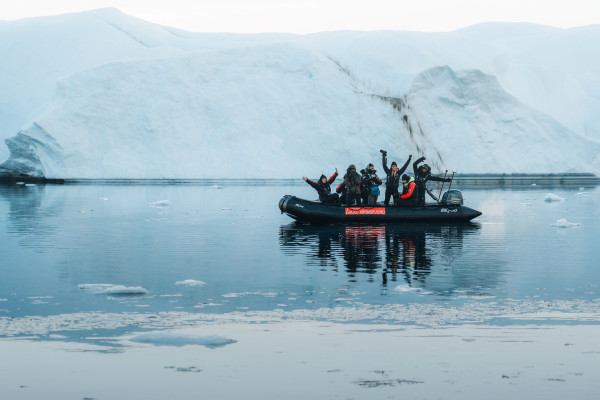
Multiple perspectives – Experience the channel from the ship's deck as walls of ice slide past, and from Zodiacs where you can hear the glacier's creaks and groans. With everyone able to land simultaneously, you're not missing moments whilst waiting your turn.
The channel often provides some of Antarctica's most memorable photographic opportunities. Early morning and late afternoon light transforms the ice walls into sculptures of blue and white, whilst wildlife encounters happen at close quarters in the protected waters.
Let Secret Atlas guide you through this frozen labyrinth where every turn reveals new wonders carved from ice and time -- with the flexibility and intimacy that only 42 guests can provide.
Other relevant articles

History of Antarctic Exploration | First S...
History of Antarctic Exploration | First Sightings to the Heroic Age

South Orkney Islands | Remote Wilderness a...
South Orkney Islands | Remote Wilderness at the Edge of Antarctica

Weddell Sea Region | Why Visit and Why Is ...
Weddell Sea Region | Why Visit and Why Is It So Special?


Phone
USA
USA+CAN Toll Free
AUS Toll Free
