
Biscoe Islands | The Quiet Edge of the Antarctic Peninsula

Biscoe Islands at a glance
Location: Off the western coast of the Antarctic Peninsula, paralleling Graham Land.
Discovery: Charted by John Biscoe of the Tula expedition on 17 February 1832.
The group: Includes Renaud, Lavoisier, Watkins, Pickwick, and the Adolph Islands among others.
Terrain: Dramatic ice cliffs, glaciated peaks, narrow channels, and rocky shores shaped by wind and current.
Wildlife: Gentoo penguins, crabeater and Weddell seals, leopard seals, breeding seabirds, and whales (humpback, minke, orca) in the surrounding waters.
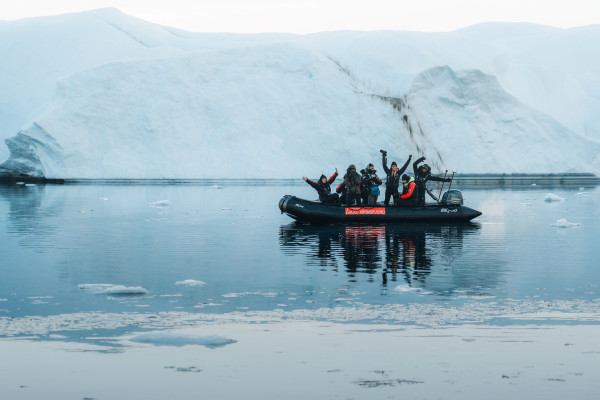
Access: Zodiac landings and Zodiac cruising. Conditions vary day to day.
Where are the Biscoe Islands in Antarctica?
The Biscoe Islands stretch along the western flank of the Antarctic Peninsula, sitting between the Peninsula coast and the open Southern Ocean. They lie south of the main South Shetland and Palmer Archipelago groups, paralleling the Graham Coast. The chain was discovered and charted by Captain John Biscoe in February 1832, alongside Adelaide Island to the south, on a voyage that also gave Graham Land its name.
The islands are remote even by Antarctic standards. There are no fixed bases, no permanent infrastructure, and no scheduled visits. Vessels reaching the Biscoe group are working further west than most Peninsula itineraries go.

Antarctic Spring Micro Fly Cruise - Sail One Way
54°16’S, 36°30’W
Sail across the Drake Passage and explore Antarctica in spring on a 44-guest Micro Cruise.
- guests
- 9 days

Antarctic Spring Micro Fly Cruise
54°16’S, 36°30’W
Skip the Drake Passage to awakening Antarctica in spring on a 44-guest Fly & Cruise. Witness penguins courting, whales returning, glittering pack ice, and thawing fjords—uncrowded and flexible.
- guests
- 10 days

Antarctic Christmas Micro Fly Cruise
54°16’S, 36°30’W
Experience a Christmas like no other in Antarctica on a 44-guest Fly & Cruise. Penguin chicks, whales, and glittering icebergs await in an uncrowded, flexible adventure.
- guests
- 10 days

Antarctic New Year Micro Fly Cruise
54°16’S, 36°30’W
Welcome the New Year in Antarctica on a 44-guest Fly & Cruise expedition. Witness penguin chicks taking their first steps, whales returning, and towering icebergs in an uncrowded, flexible polar adventure.
- guests
- 10 days

Antarctic Circle Micro Fly Cruise
54°16’S, 36°30’W
Sail beyond the legendary Antarctic Circle with just 36 guests. Explore pristine ice, wildlife-rich bays, and iconic sites without crowds, and free from rigid schedules.
- guests
- 10 days

Antarctic Summer Micro Fly Cruise — Sail One Way
54°16’S, 36°30’W
Fly one way and sail the other across the legendary Drake Passage on a 44-guest Antarctic expedition. See summer’s penguin chicks, whales and sculpted ice—uncrowded and free from rigid schedules.
- guests
- 9 days

Antarctic Autumn Fly Micro Cruise — Sail One Way
54°16’S, 36°30’W
Sail the Drake Passage once on a 44-guest Fly & Cruise expedition to Antarctica in autumn. Golden light bathes bustling penguin colonies, playful seals, and whales at their seasonal peak.
- guests
- 9 days

Falklands, South Georgia and Antarctica Micro Cruise
Combine Falklands, South Georgia and Antarctica on a 78-guest cruise expedition in Spring. Follow in Shackleton’s footsteps, witness penguin chicks and whales, and enjoy uncrowded, pristine landscapes.
- 78 guests
- 21 days
Why visit the Biscoe Islands
The Biscoe Islands are Antarctica without the crowd. Peninsula voyages cluster around well-known anchorages closer to the Bransfield Strait and the Gerlache. The Biscoe group sits further out, requires more careful navigation, and rewards the operators who get there with a different texture of voyage: gentoo colonies on rocky points, glaciated cliffs falling straight into the sea, narrow channels between ice-shaped islets, and the kind of quiet that depends on no other ship being in the bay.
This is Zodiac-cruise and landing country in equal measure. Ice and weather shape the day. Sightings of leopard seals on a floe, humpbacks feeding in calm bays, or a gentoo colony perched on a rare patch of bare rock are all part of the texture.


How Secret Atlas reaches the Biscoe Islands
The Biscoe Islands are visited when the conditions allow and the routing makes sense. The advantage of micro-scale shows up most where the ice does the deciding.
Small group, fast Zodiac launch. 36 guests on an Expedition Micro Cruise. The Zodiacs are in the water in minutes when the bay turns the right way.
All guests ashore in one go. No rotations, no half the ship waiting on board while the other half lands at a remote colony.
A captain who can reposition. Where one bay has ice-blocked access, another a few hours along the coast may open up. The ship moves to the conditions.
Readiness over rotation. A planned route can shift toward the Biscoe group when the weather window opens, without disrupting the rest of the voyage.
Frequently Asked Questions About the Biscoe Islands
Where Are the Biscoe Islands Located?
The Biscoe Islands sit off the western coast of the Antarctic Peninsula, between the Peninsula itself and the open Southern Ocean, paralleling the Graham Coast. They are south of the better-known South Shetland Islands and the Palmer Archipelago.
Who Discovered the Biscoe Islands?
The islands were charted in February 1832 by Captain John Biscoe of the Tula expedition, and were named after him. The same voyage also discovered Adelaide Island and gave Graham Land its name.
What Wildlife Will I See in the Biscoe Islands?
Gentoo penguin colonies, crabeater and Weddell seals, leopard seals on floes, and breeding seabirds. The surrounding waters hold humpback, minke, and orca, particularly in the peak feeding months of January and February.
When Is the Best Time to Visit the Biscoe Islands?
Voyages reach the Biscoe group during the Antarctic season, which runs late October to March. Mid-December through February typically offers the strongest combination of access, wildlife activity, and longer daylight for time ashore.
Visit the Biscoe Islands on a Secret Atlas Expedition Micro Cruise
The Biscoe Islands reward the right scale of operation. A small group, a fast Zodiac launch, and a captain ready to take the ice window when it opens are the difference between a deep-Peninsula day and a view from a busier anchorage.
If a voyage to the Antarctic Peninsula and the Biscoe Islands is on your radar, get in touch. The team will walk you through current availability, what the routing involves, and the realistic expectations for landings on the western Peninsula.
Enquire about Antarctic Peninsula Expedition Micro Cruises
See available Antarctica voyages
Other relevant articles

#15 Pancrazio’s Arctic Adventure | Exploring S...
Pancrazio’s Arctic Adventure | Exploring Svalbard on a Secret Atlas Expedition Micro Cruise

#39 Ruth Alvirez's Story: Where the Ice Teache...
Ruth Alvirez's Story: Where the Ice Teaches You to See

#2 25 Best Places to Visit in Norway
25 Best Places to Visit in Norway


Phone
USA
USA+CAN Toll Free
AUS Toll Free
